


-

Add: HeBei ShengShi HongBang Cellulose Technology CO.,LTD.
-

Email
13180486930@163.com -

CONTACT US
+86 13180486930
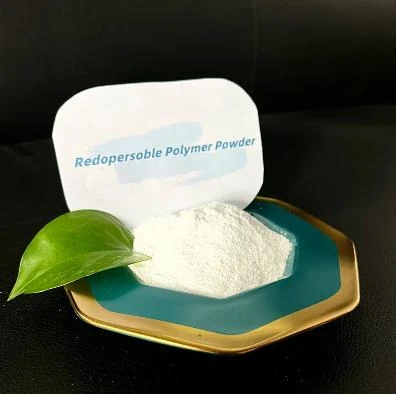
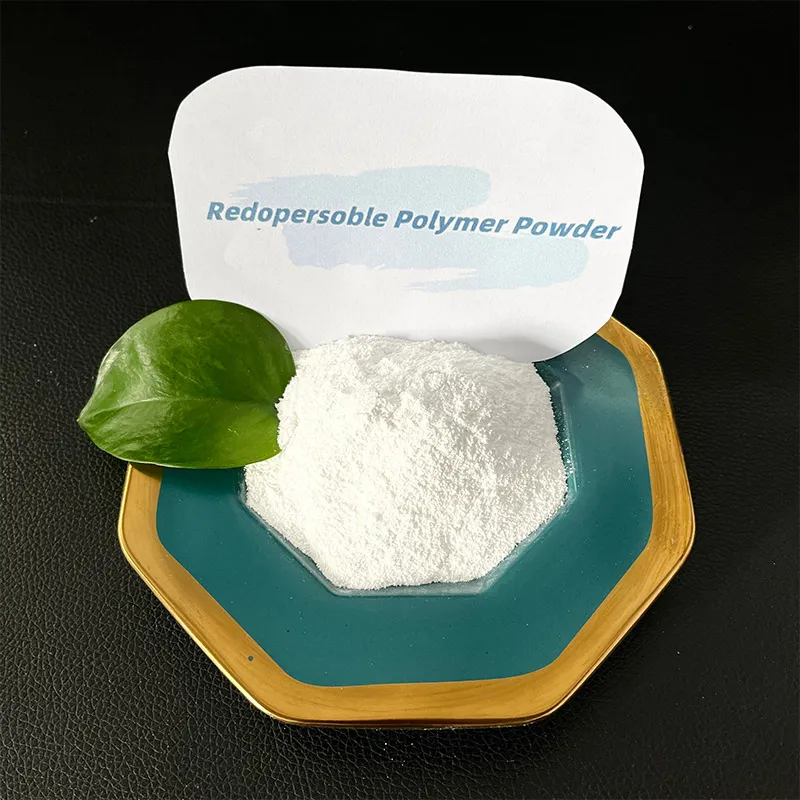
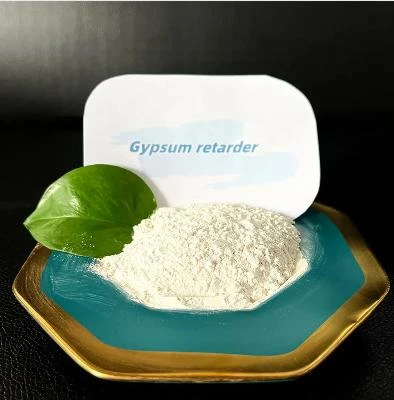
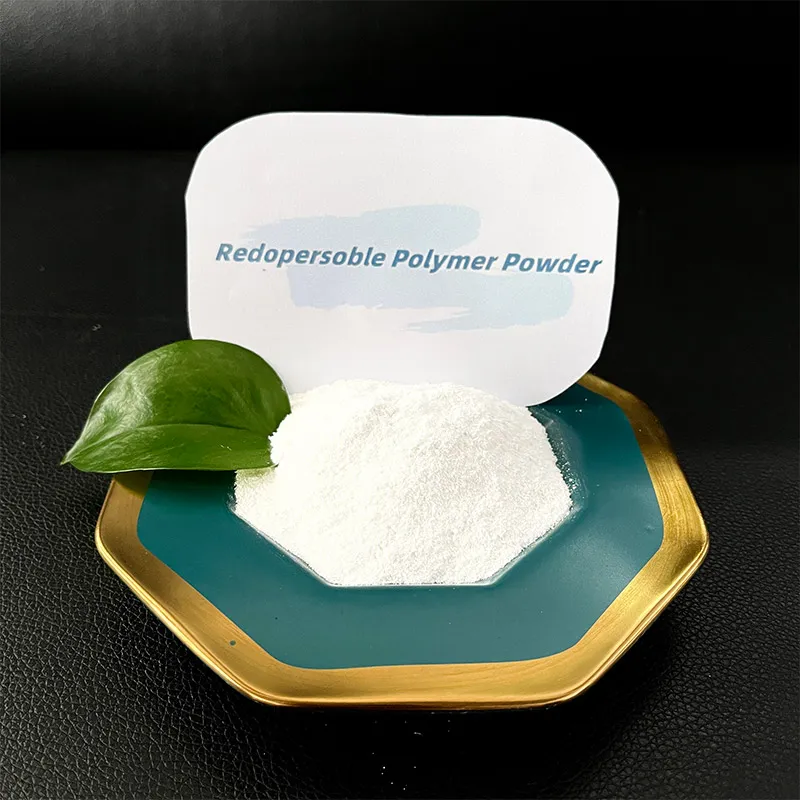


Метил гидрокси этил целлюлозын үнэ Метил гидрокси этил целлюлоз (MHEC) нь целлюлоз хосолмол бөгөөд уусдаг, вискозитийг сайжруулдаг, ус, шарж үүсгэх, холих зэрэг олон хэрэглээтэй, чухал химийн бодис юм. Энэ нь ихэвчлэн барилгын материал, будаг, хими, эм, хоол хүнс зэрэг олон салбарт хэрэглэгддэг. . Барилгын салбарт MHEC нь цементэн зуурмагийн үйлдвэрлэлд чухал үүрэг гүйцэтгэдэг. Энэ нь зуурмагийн шингэнийг сайжруулах, барилгын бүтээцийн бат бэхийг нэмэгдүүлэх зэрэгт нөлөөлдөг. Эдгээр шалтгааны улмаас хөрөнгө оруулалтын ханган нийлүүлэлт, барилгын бүтээгдэхүүний үнэ, барилгын ажлын хурд зэрэг хүчин зүйлсийн нөлөөгөөр MHEC-ийн зах зээлд шинжлэх ухаан, технологийн үсрэлт, мөнгөн хөрөнгө оруулалтын хэмжээ ихээхэн хамааралтай. سعر ميثيل هيدروكسي إيثيل السليلوز MHEC-ийн эрэлт нь барилгын салбар болон бусад салбарын хөгжлийн хурднаас хамааралтай. Хэдийгээр COVID-19-ийн тархалт дэлхийн эдийн засагт ихээхэн нөлөөлж байсан ч барилгын салбарын сэргэлт, шинэ төсөл, байшингийн барилга угсралтыг нэмэгдүүлэх гэх мэт хүчин зүйлс дэлхийн хэмжээнд MHEC-ийн эрэлт, үнэ өсөхөд нөлөөлж байна. Хоол хүнсний салбарт MHEC нь текстур, шингэний бүтэц, шингээлт зэргийг сайжруулах хүчтэй нэмэлт бодис гэж тооцогддог. Үүний зэрэгцээ, эмийн салбарт ч MHEC нь эмийн формула дахь шингэн, гелийн үндэс болгож хэрэглэгддэг бөгөөд үүнээс шалтгаалан MHEC-ийн чанар болон үнэ ханш нь тус салбарт чухал үүрэг гүйцэтгэдэг. MHEC-ийн зах зээлд үүсэж буй шинэ чиг хандлагууд нь байгальд ээлтэй, хэдийгээр үнэ нь өндөр боловч чанарыг нэмэгдүүлэх, хог хаягдлыг бууруулах талаар судалгаа, хөгжлийн ажилд чиглэгдэж байна. Иймд MHEC-ийг үйлдвэрлэхэд хэрэглэгдэх химийн бодисын орлуулах, экологийн зохистой хэрэглээ, био-суурь эдийн засгийн хүрээнд инновацийг бий болгох зэрэг хөгжлийн чиг хандлагыг ихээхэн анхаарах шаардлагатай болж байна. Эцэст нь, метил гидрокси этил целлюлозын үнэ нь зах зээлд маш олон хүчин зүйлээс хамаардаг бөгөөд энэ нь барилгын, эмийн, хоол хүнсний болон бусад салбарын хөгжилд нөлөөлдөг. Мөн энэ бүтээгдэхүүний хэрэглээ нь нийгэм, эдийн засгийн хөгжилд чухал үүрэг гүйцэтгэх мэдлэг, технологийн чанарыг шаарддаг. Тиймээс MHEC-ийн зах зээлийн нөхцөл байдал, хэрэглэгчдийн хэрэгцээнд дүгнэлт хийх, судалгаа хийх нь чухал юм.
- 40000tons

Production
- 20+years

Experience
- 5000+㎡

Acreage

-
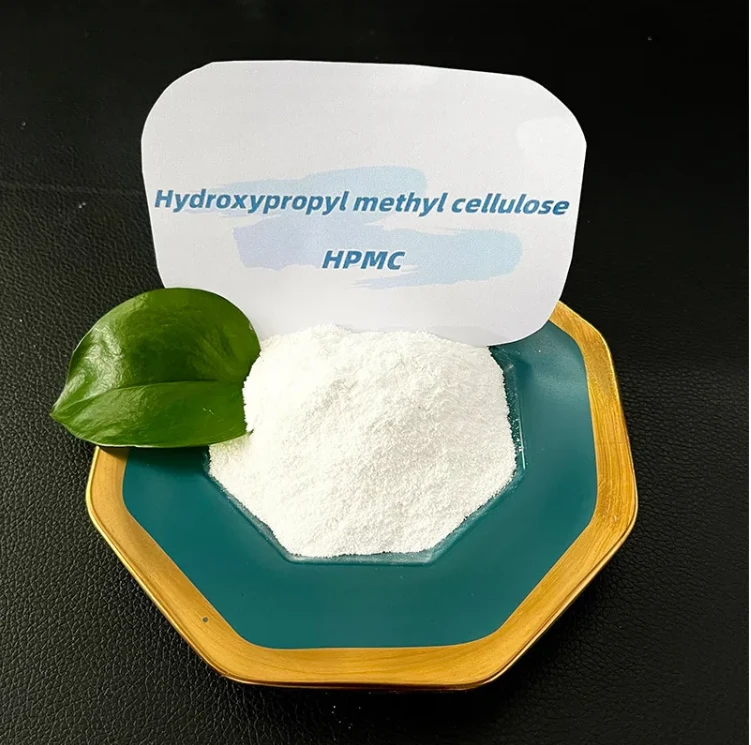
Hydroxypropyl Methylcellulose (HPMC) stands as a unique and versatile compound with a broad range of applications, making it an essential component in various industries including pharmaceuticals, construction, and food production. Its remarkable properties and benefits have earned it a significant place in the market, and understanding its comprehensive functionality can enhance user experience considerably. HPMC, a chemically modified cellulose polymer, boasts exceptional qualities such as thermal stability, water solubility, and film-forming capabilities. These attributes make it indispensable in the pharmaceutical industry, where it serves principally as a controlled drug release agent and a binding component in tablets. One practical application in this realm is its use in creating time-release capsules, which ensures a consistent and gradual release of medication, enhancing therapeutic efficacy. Such innovations leverage the unique mechanical and physical properties of HPMC, demonstrating its expertise and crucial role in pharmaceutical advancements. In the construction industry, HPMC is celebrated for its capabilities as a water-retention agent and a performance enhancer for cement and gypsum products. The inclusion of HPMC in mortar and plaster formulations leads to improved workability and adhesion, while significantly reducing water loss . This brings about increased durability and strength in final structures. Construction professionals recognize HPMC's authority in optimizing the setting time and workability of cementitious mixtures, establishing trust and reliability in infrastructural development applications. hpmc Additionally, HPMC exhibits significant utility in the food industry as a food additive and stabilizer. Its application can be observed in the production of gluten-free products, where HPMC acts as a substitute for gluten, thereby maintaining the structure and texture of the culinary product without compromising quality. This speaks to its authoritative role as a reliable component in crafting food products that cater to specialized dietary requirements, underscoring its trustworthiness as an ingredient for both food manufacturers and consumers seeking safe and quality products. Moreover, HPMC stands out due to its biocompatibility and non-toxic nature, fostering trust and confidence in its use across various applications. From eco-friendly packaging films to personal care items like lotions and shampoos, the versatility of HPMC ensures every product benefits from enhanced stability and performance, reinforcing the user’s trust in product safety and efficacy. Technological advancement and tailored applications continue to highlight the significant experiential and specialized application of HPMC. The continued research into this compound promises further enhancements and innovations, expanding its utility spectrum and maintaining its prominent position in diverse industries. This focus on experience, expertise, authoritativeness, and trustworthiness ensures HPMC remains a groundbreaking and reliable component, well-suited to meet contemporary market demands.
-
Rubber powder is a revolutionary material that opens up endless possibilities across various industries. Made from recycled rubber, it is a sustainable solution that can be used in a variety of applications, ranging from manufacturing to construction. Whether you’re working on rubber flooring, asphalt, or other innovative products, rubber powder offers unmatched versatility and environmental benefits. By choosing rubber powder , you not only support eco-friendly practices but also enhance the performance and durability of your projects. Experience the power of rubber powder and make your business more efficient, cost-effective, and sustainable. Explore the Many Rubber Powder Uses for Your Industry The rubber powder uses are vast and diverse, making it an invaluable resource across many sectors. Rubber powder is widely utilized in the construction industry, where it can be mixed into asphalt for roads, creating durable and sound-resistant surfaces. In addition, it’s used in the production of rubber mats, artificial turf, and flooring solutions that provide safety and comfort. The rubber powder uses extend into the automotive industry as well, where it is used in manufacturing tires and various rubber components. By incorporating rubber powder into your products, you can enhance both performance and sustainability. Whether for industrial or consumer goods, the benefits of rubber powder uses are clear. Get the Best Rubber Powder for Sale Looking for high-quality rubber powder for sale ? Our top-grade rubber powder is available in various grades and quantities to meet your specific needs. Whether you need it for small-scale applications or large-scale manufacturing processes, we have the right product for you. Our rubber powder for sale is made from 100% recycled rubber, ensuring it meets industry standards for quality and performance. By purchasing rubber powder for sale from us, you’re investing in a sustainable and cost-effective solution that delivers superior results. Our reliable shipping and competitive prices make it easy to access the rubber powder you need, when you need it. Understand Rubber Powder Price for Your Budget When considering purchasing rubber powder , understanding the rubber powder price is key to managing your budget effectively. The rubber powder price can vary depending on the grade, quantity, and intended use, but we offer competitive pricing to ensure that you get the best value for your investment. Our rubber powder price reflects the quality and sustainability of the material, making it an affordable choice for your business. Whether you're purchasing in bulk or smaller amounts, our transparent pricing ensures that you can make informed decisions while staying within your budget. Get in touch with us today to learn more about rubber powder price and how we can support your projects. Why Choose Us for Your Rubber Powder Needs? We are your trusted partner for all things rubber powder , offering premium products at competitive rubber powder price s. Our rubber powder for sale is made from high-quality recycled materials and is suitable for a wide range of applications, from construction to manufacturing. We are committed to providing you with the best rubber powder uses and ensuring that every product meets the highest industry standards. With our flexible purchasing options and reliable service, you can count on us to deliver the rubber powder you need to take your projects to the next level. Choose us for all your rubber powder requirements and experience the difference in quality, performance, and cost-effectiveness.
advantages
-

200000 Viscosities
Excellent product
We can produce pure products up to 200,000 viscosities
-

40000 tons
High yield
We don’t stop production all year round, and the annual output can reach 40,000 tons
-

24 hours
Quality service
We provide 24-hours online reception service, welcome to consult at any time
———— Inquiry Form
Schedule A services


-
 pp_saruji_ya_nyuzi
Oct . 25, 2025
Extra time plaster additives have revolutionized the construction and renovation industry, providing -
 heat_resistant_synthetic_fiber
Oct . 25, 2025
Understanding the Properties of Hydroxypropyl Methylcellulose Hydroxypropyl methylcellulose (HPMC) i -
 is_hpmc_soluble_in_water
Oct . 25, 2025
The demand for high-quality rubber products has never been higher, driven by advancements in manufac


